
HEALTH SCREENING · NEW WINDSOR, NY
Five minutes that could matter most.
An oral cancer screening is a quick, painless check for the early signs of oral cancer — built into your regular dental visit.
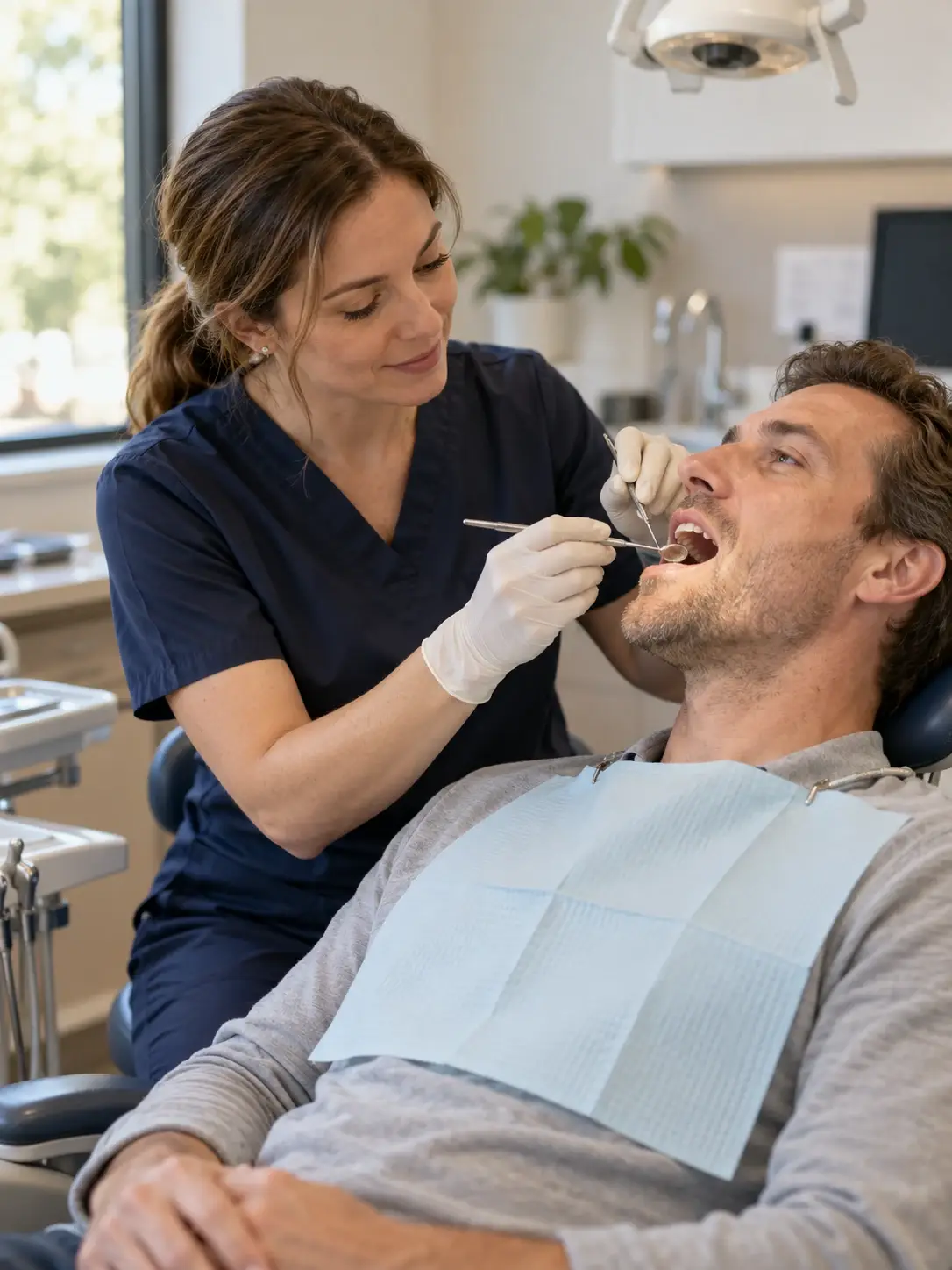
Why it matters
Early detection changes outcomes
Quick and painless
The screening is visual and gentle, added into your regular exam.
Checks the whole mouth
We look and feel for unusual lumps, patches, or changes anywhere in the mouth.
Recommended for all adults
We recommend regular screenings for every adult patient, more often for higher-risk patients.
We catch it, specialists treat it
If we see anything concerning, we refer you promptly for further evaluation.
What to expect
Your visit, step by step.
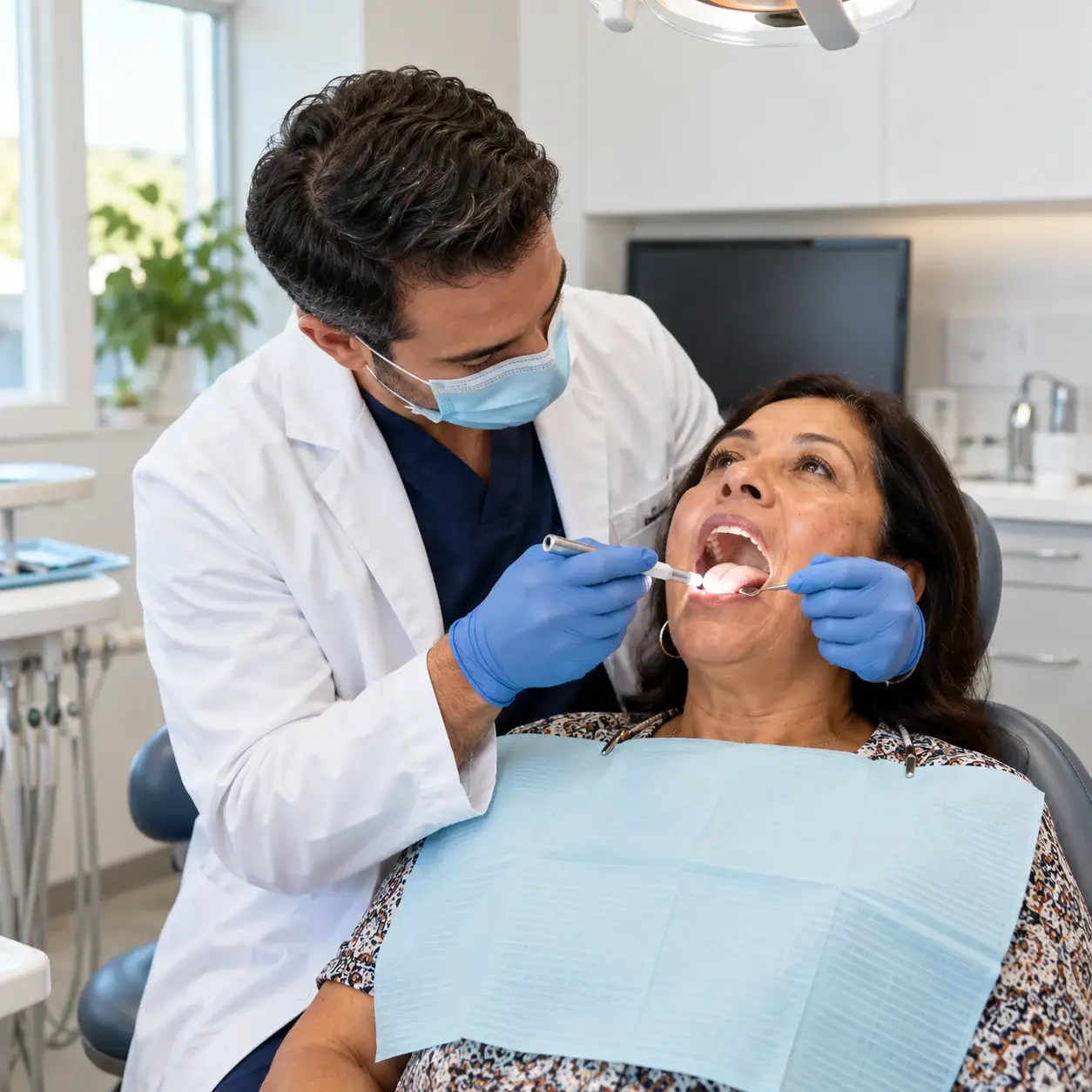
No surprises — here's exactly what happens at your visit.
1
Visual check
We look for red or white patches, lumps, or unusual changes.
2
Physical check
We gently feel the cheeks and mouth tissue for anything abnormal.
3
Discussion
We explain what we found and any recommended next steps.
4
Referral (if needed)
If something looks concerning, we refer you promptly.
Insurance & financing
Quality care that fits your budget.
We make the financial side simple — most major PPO plans accepted, transparent estimates before treatment, and flexible payment options so cost never stands between you and a healthy smile.
Most major PPO insurance accepted & filed for you
In-house membership plan for the uninsured
0% interest financing on qualifying treatment
Common Questions
Oral Cancer Screening FAQs
What happens during an oral cancer screening?
The dentist visually and physically examines the lips, cheeks, tongue, throat, and other oral tissues for unusual color, texture, swelling, or sores.
How often should I have an oral cancer screening?
Screening is commonly included in routine dental examinations. Your dentist may recommend closer monitoring based on age, tobacco or alcohol use, sun exposure, or previous findings.
Does an abnormal area mean I have oral cancer?
No. Many oral changes are harmless or related to irritation or infection. An area that persists may need follow-up evaluation or referral for a definitive diagnosis.
What symptoms should I report between dental visits?
Report a sore lasting more than two weeks, unexplained lumps, persistent hoarseness, difficulty swallowing, numbness, or red or white patches.
Make it part of your next visit.
Ask about adding an oral cancer screening to your next appointment.